Among the many Chinese who found cultural and intellectual inspiration in Paris between the World Wars were a number of now well-known artists, writers and musicians: Sanyu, Xu Beihong, Lin Fengmian, Pan Yuliang, Xu Zhimo, Li Jinfa, Xu Xu, Shao Xunmei, Xian Xinghai, Ma Sicong.
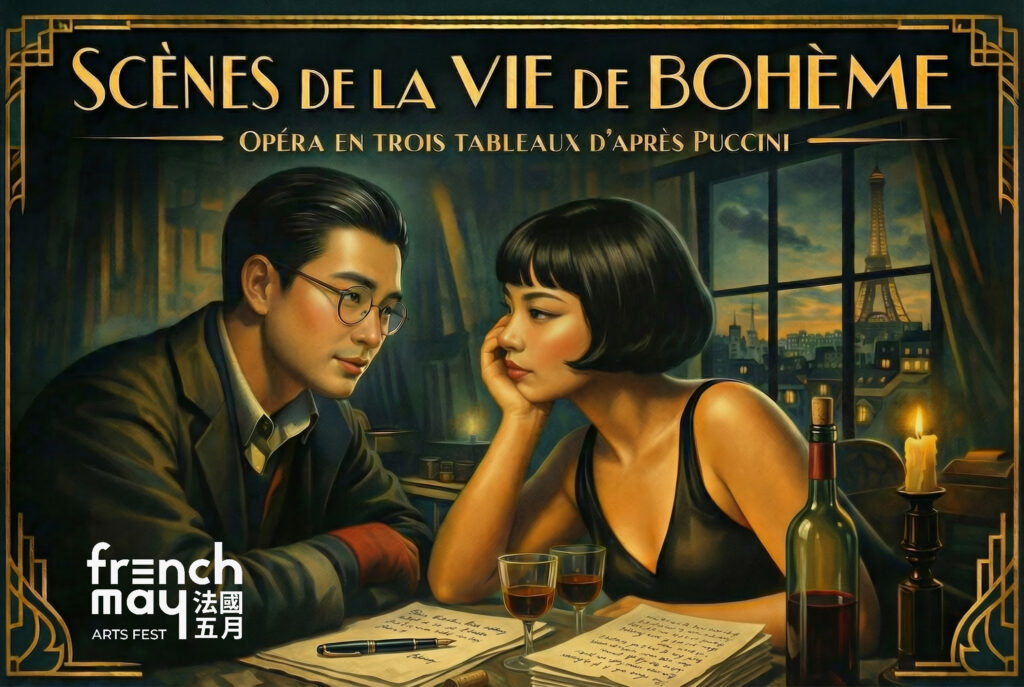
This story of impoverished artists, equal parts humour, romance and tragedy, happiness and sadness, tells a completely recognisable and relatable tale of a group of young people in the period of self-discovery between feckless youth and adult responsibility.
Echoing the classic French novel by Henri Murger, based on the iconic opera by Italian composer Giacomo Puccini and sung in French, Scènes de la vie de Bohème is an intimate dramatic adaptation of Giacomo Puccini’s classic opera. Reduced to the four principal roles, this new version is designed to focus on the emotional ties between the two couples while telling a story of the Chinese cultural diaspora in Paris: a story of love, loss, art, poverty and the richness of life.
This Scènes de la vie de bohème is not a true story … but it almost could have been.
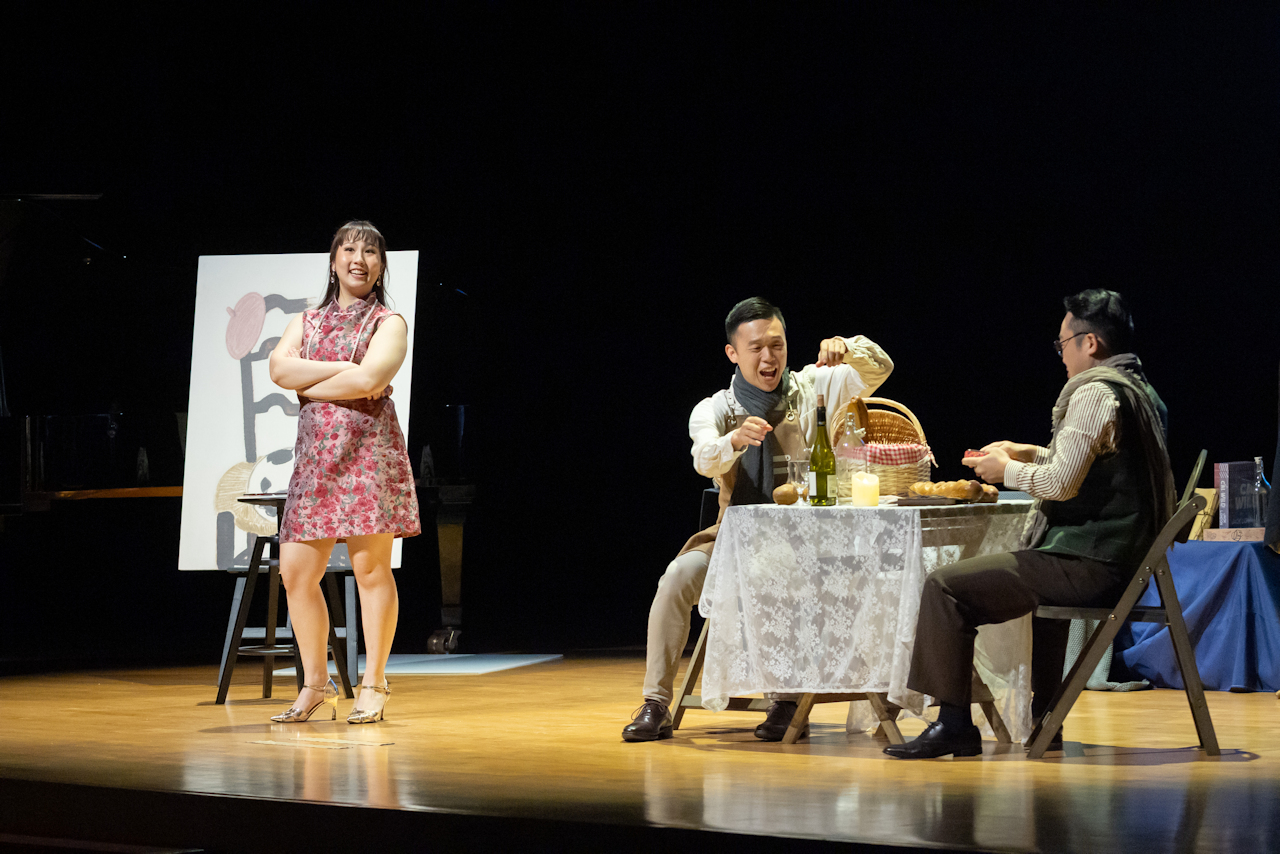
The production, developed for the French May, presented by the Hong Kong Polytechnic University and Opera Hong Kong, debuted on 30 May 2026. The performance featured Etta Fung as Mimi, Vivian Yau as Musette, Chen Yong as Rodolphe and Lam Kwok Ho as Marcel, with Arièle Zanini on piano.
Scene 1 opens in the traditional Paris garret.
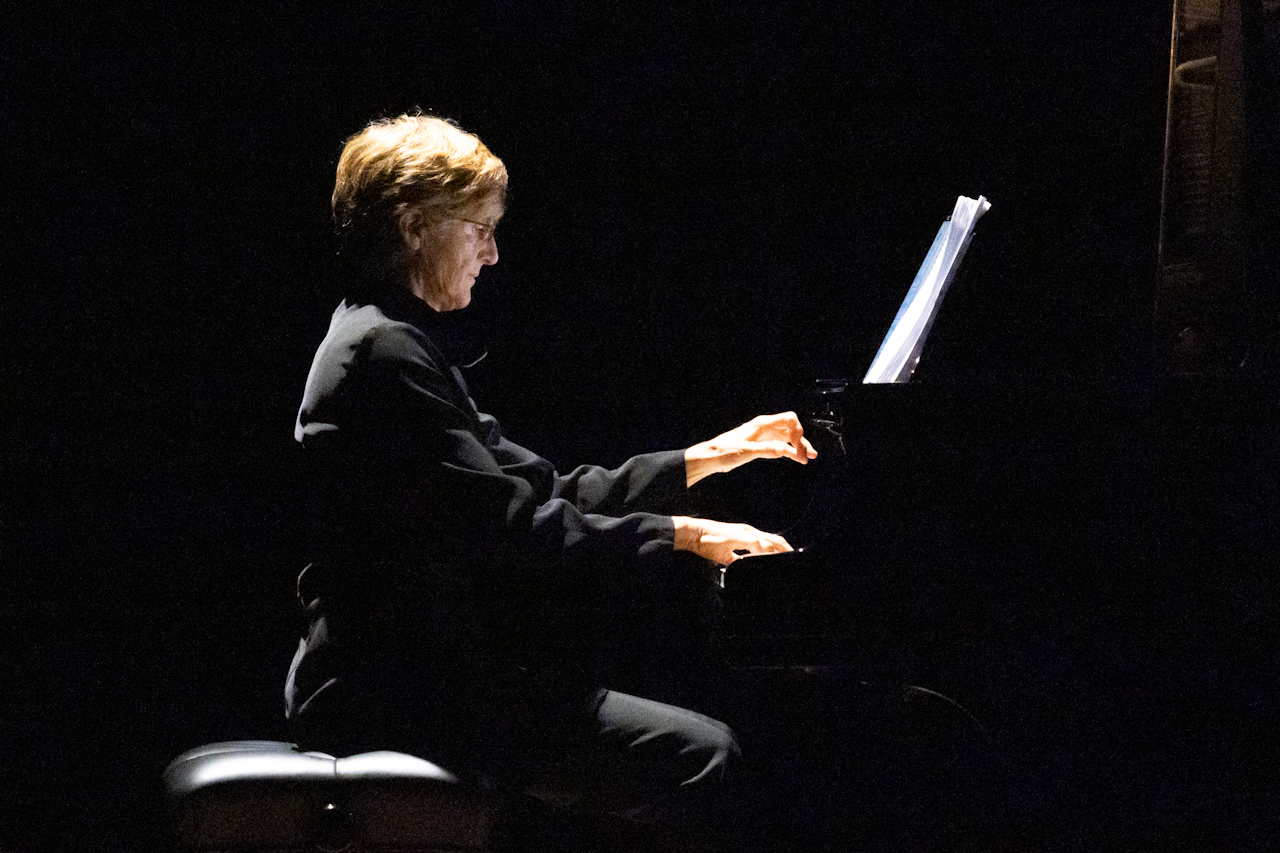
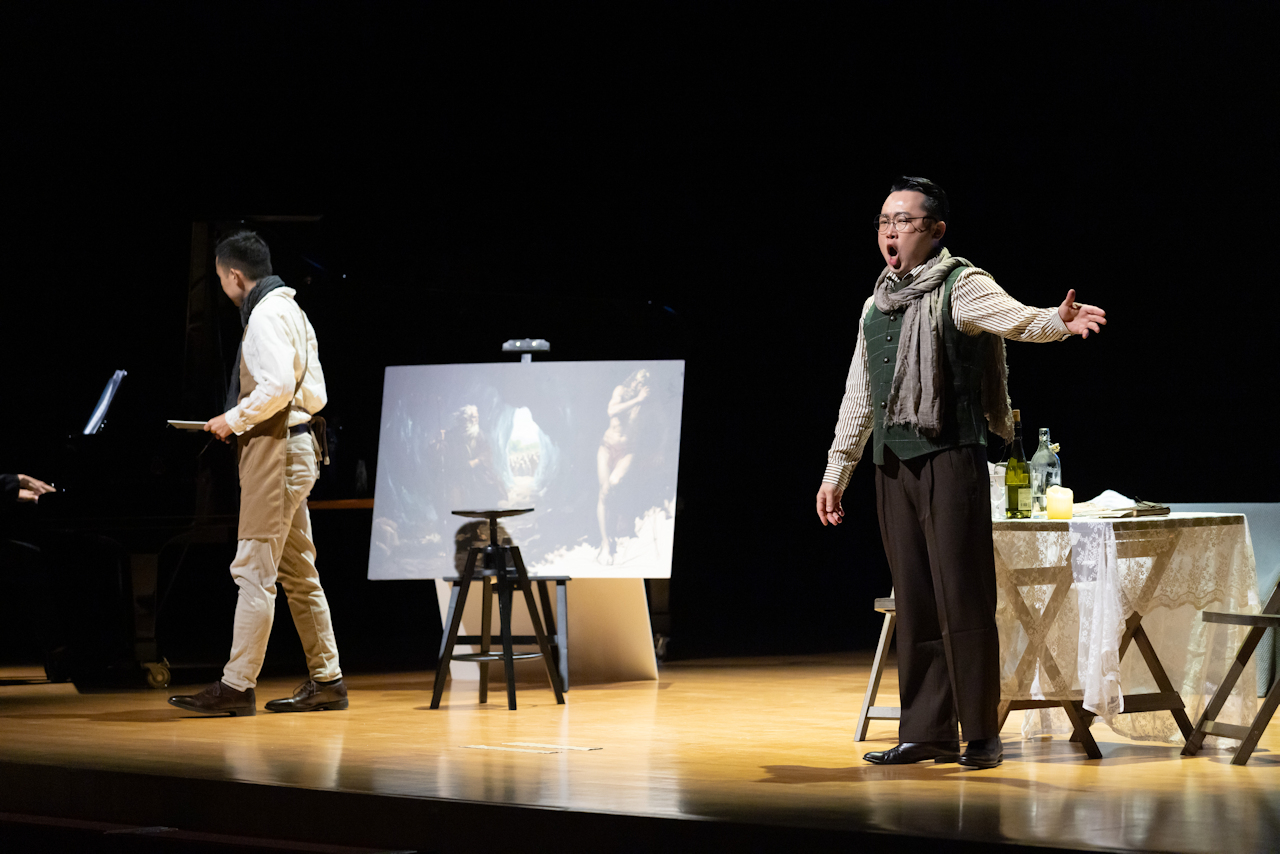
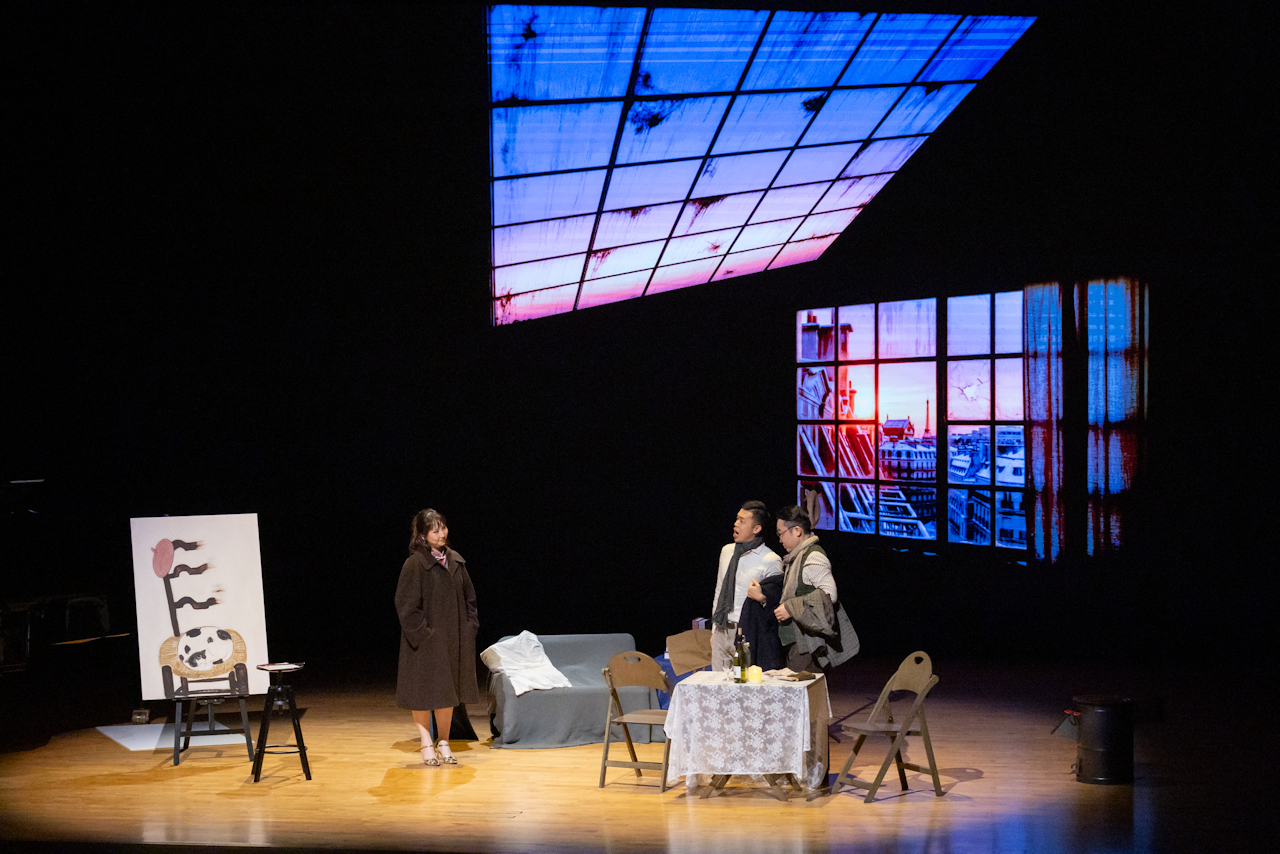
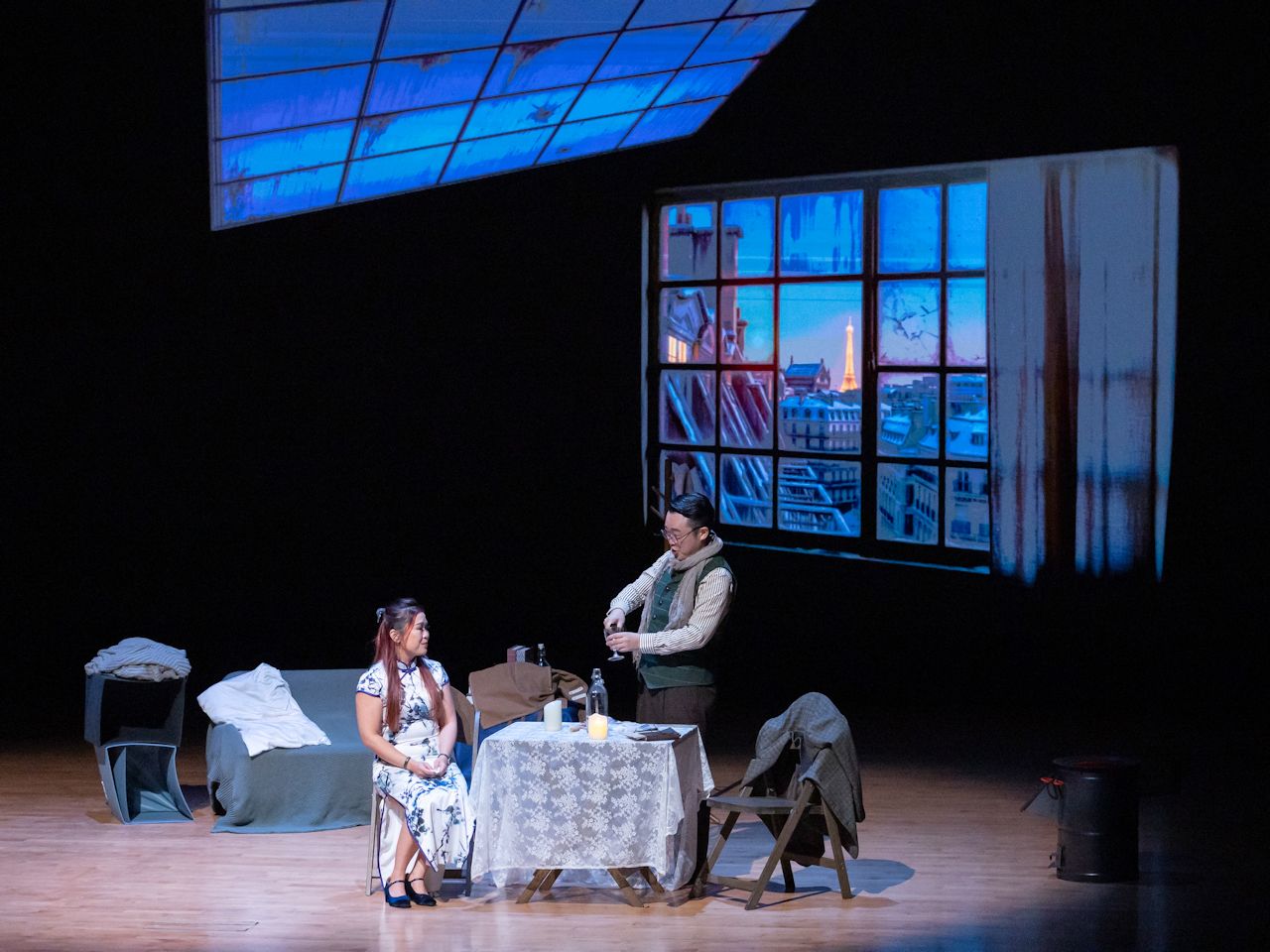
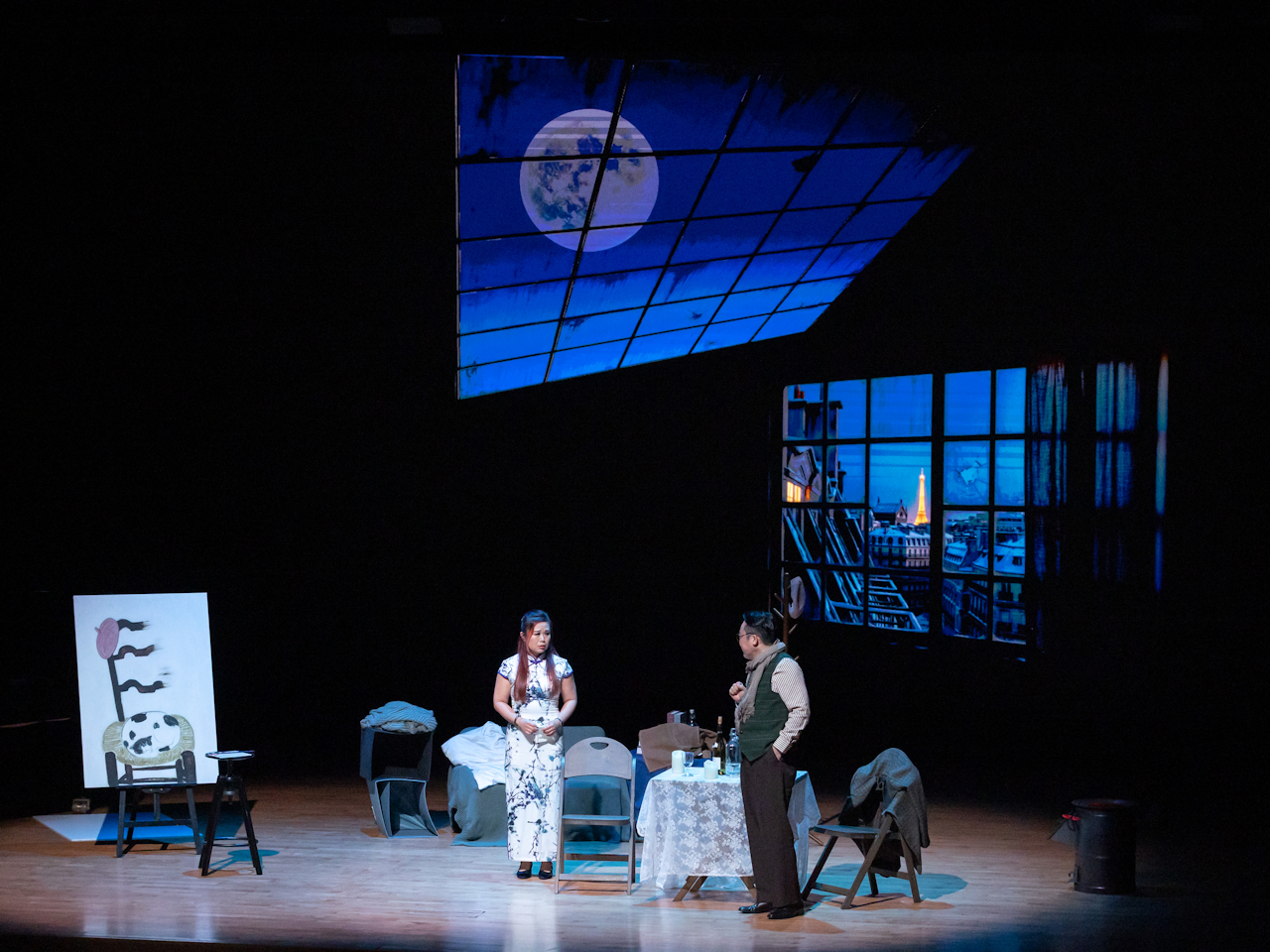
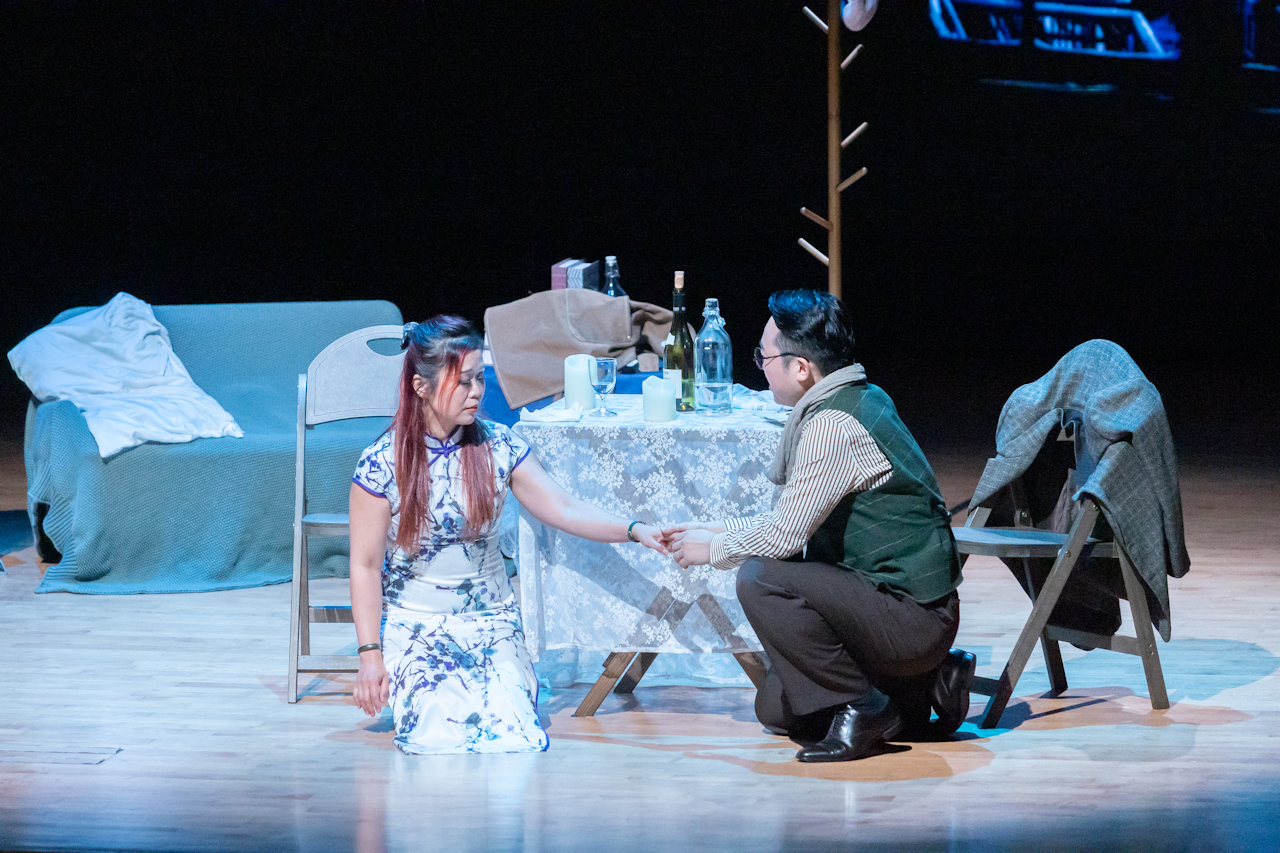
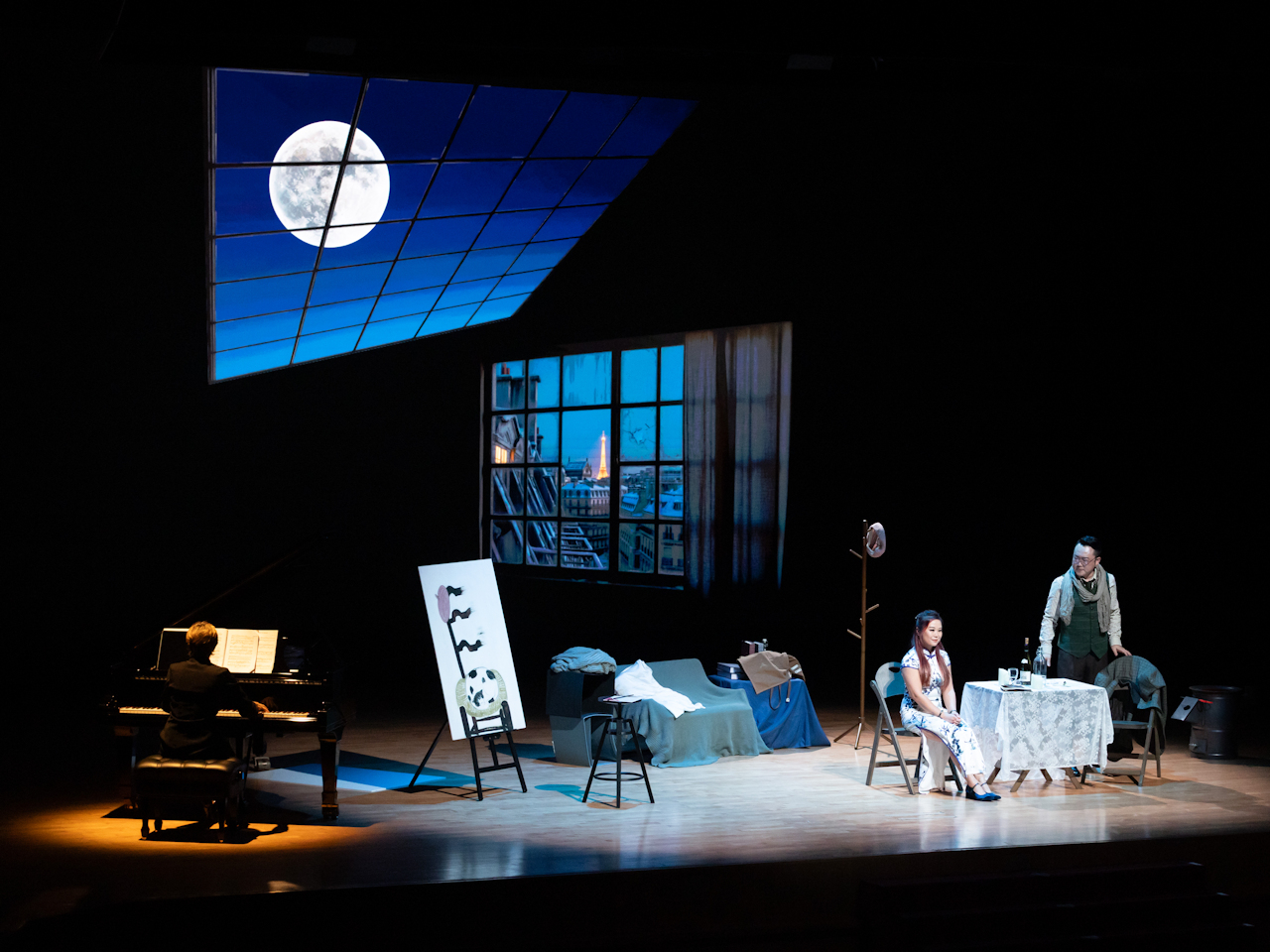
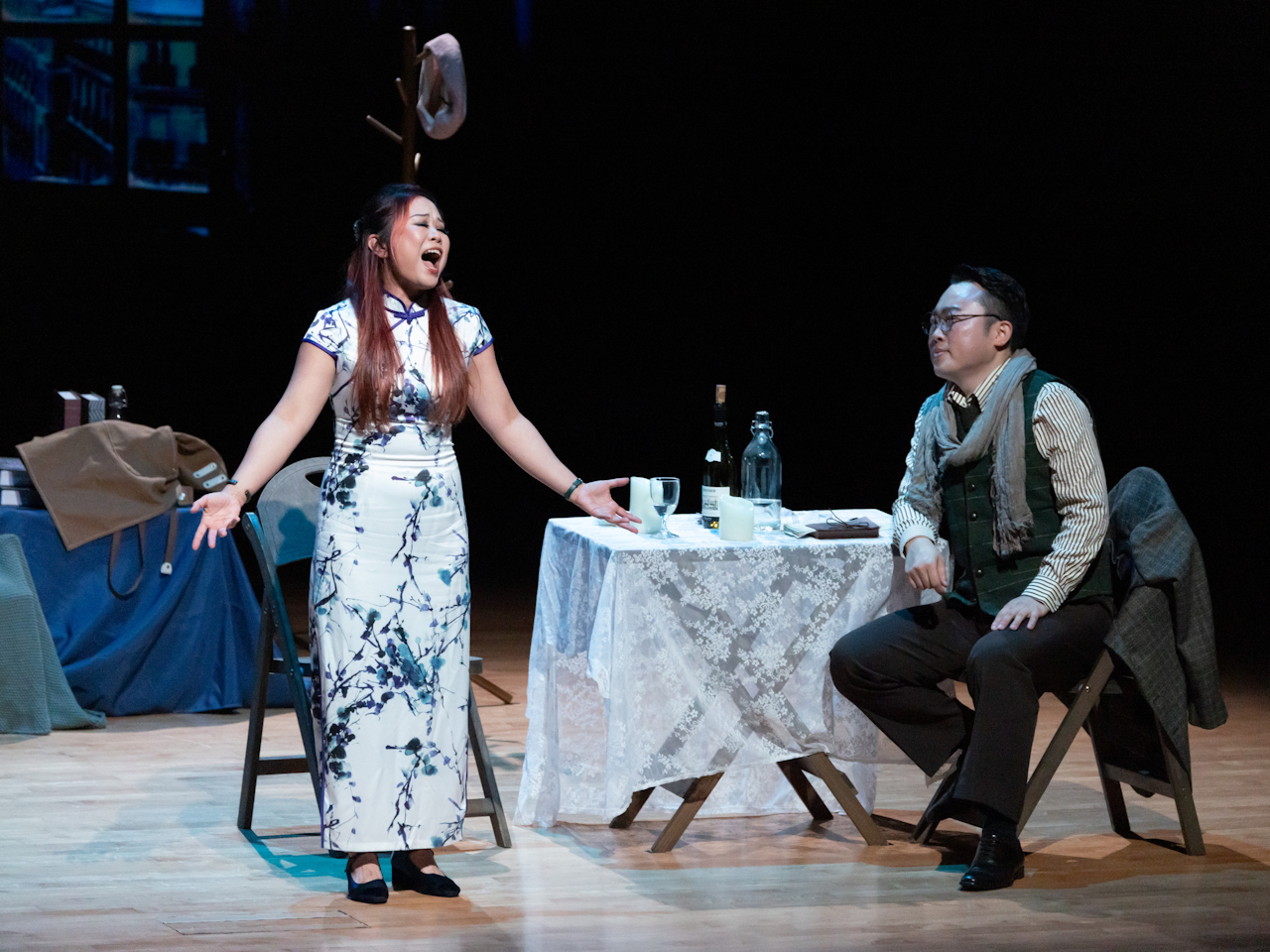
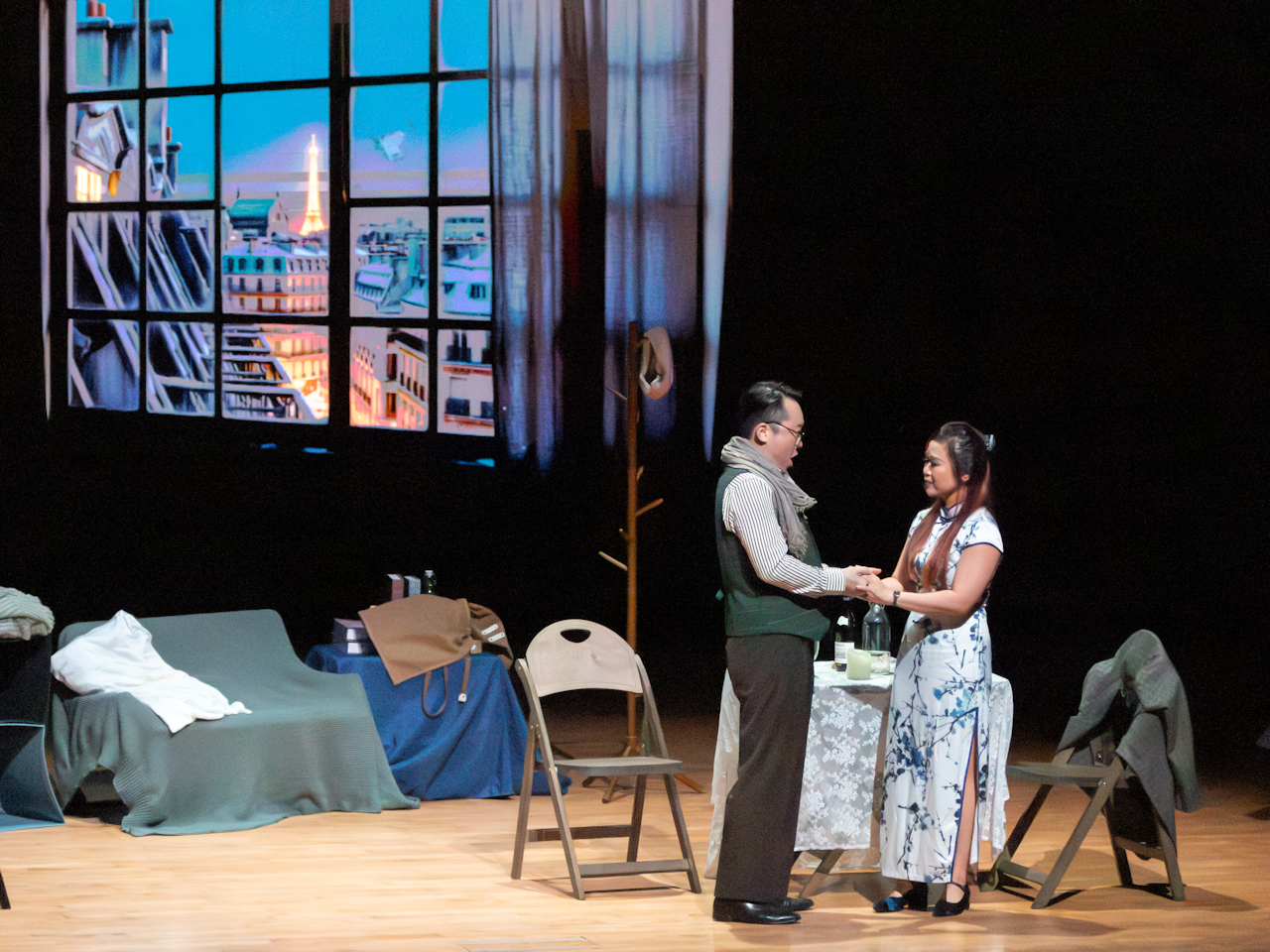
Etta Fung and Chen Yong at the Dress Rehearsal; probably the first time this opera has been sung in French in Asia.
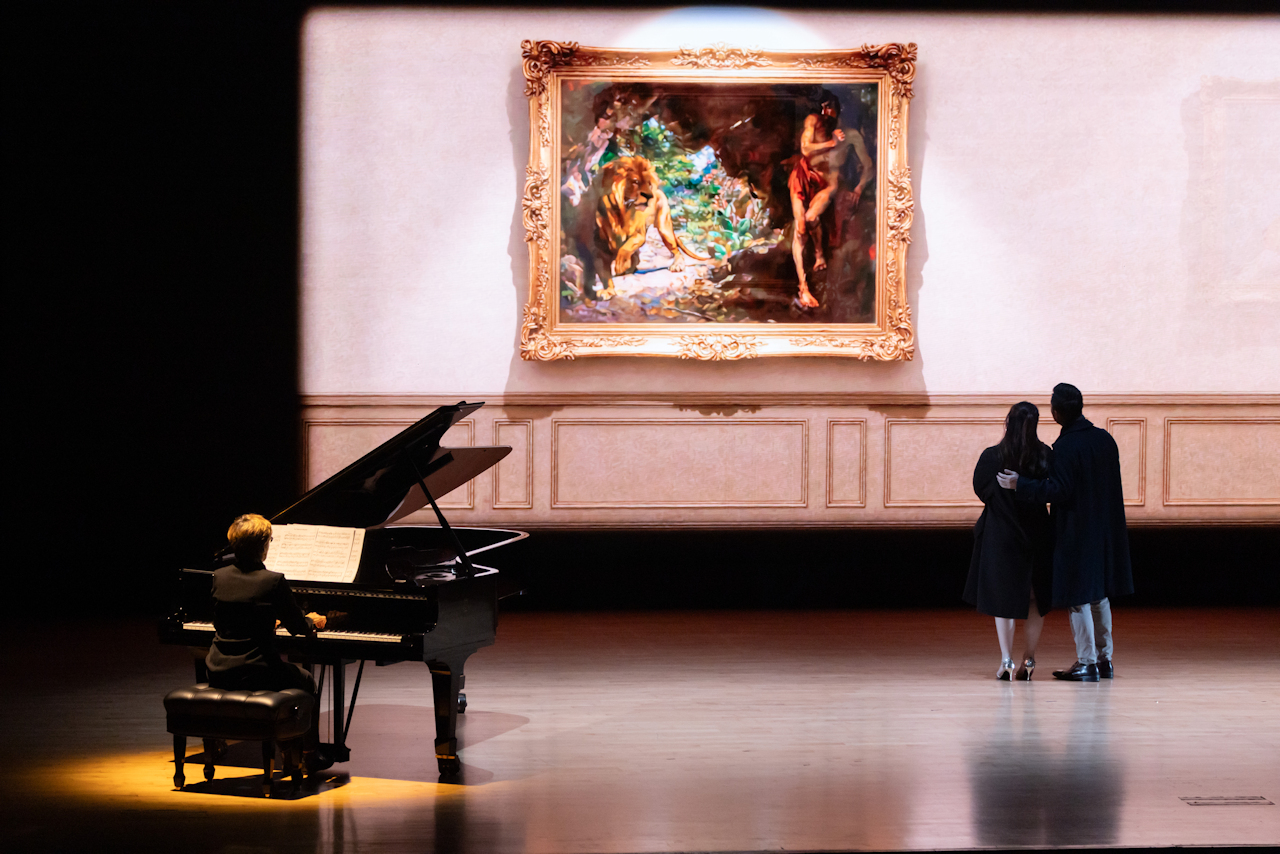
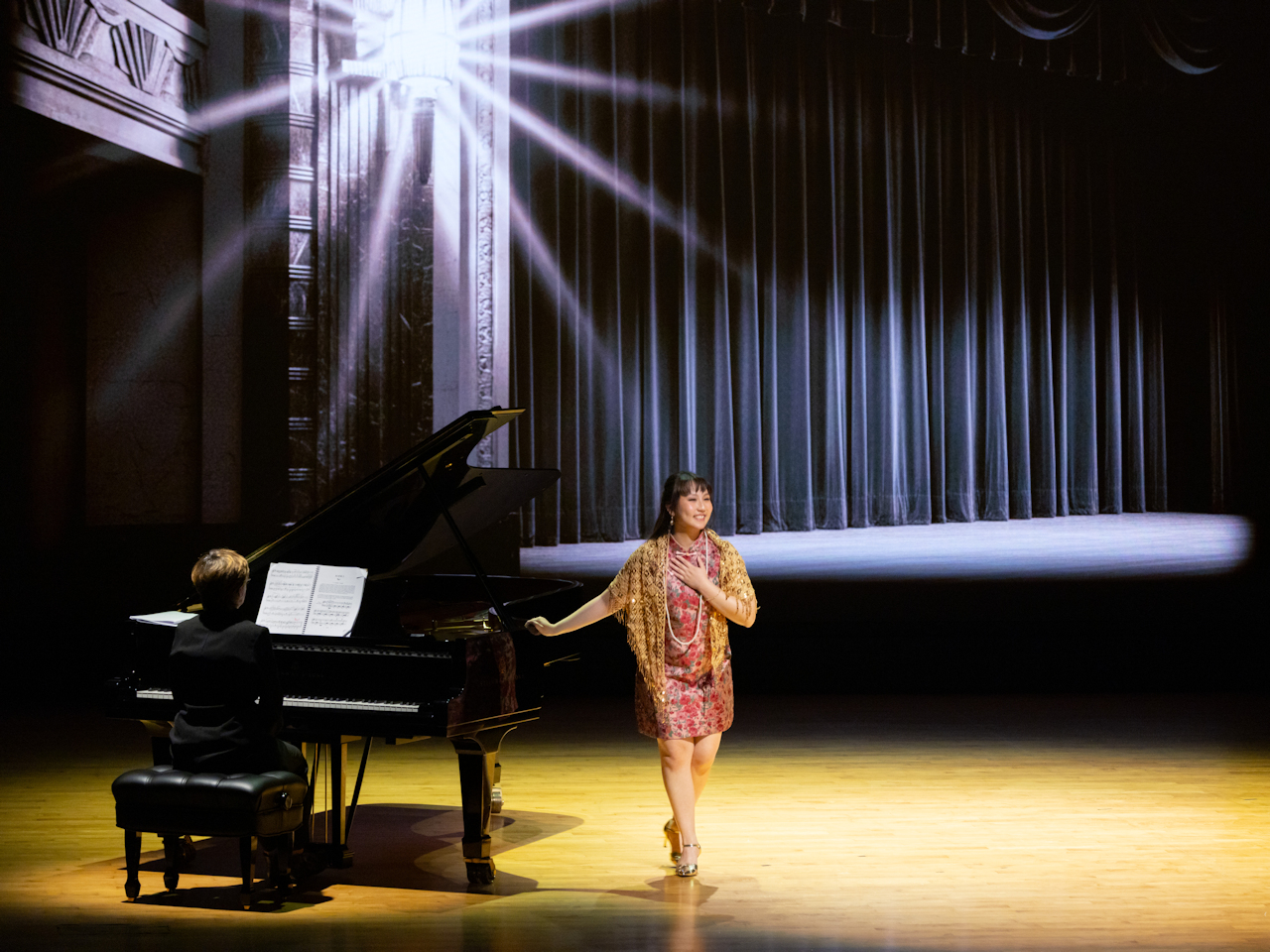
Scene 2 opens with a promenade through Paris, a visit to an exhibition of Chinese painters in Paris and a recital by Musette featuring of the “Red Bean Song” famously sung in Chinese in Paris just after World War II. Scene continues is the landing outside the garret.
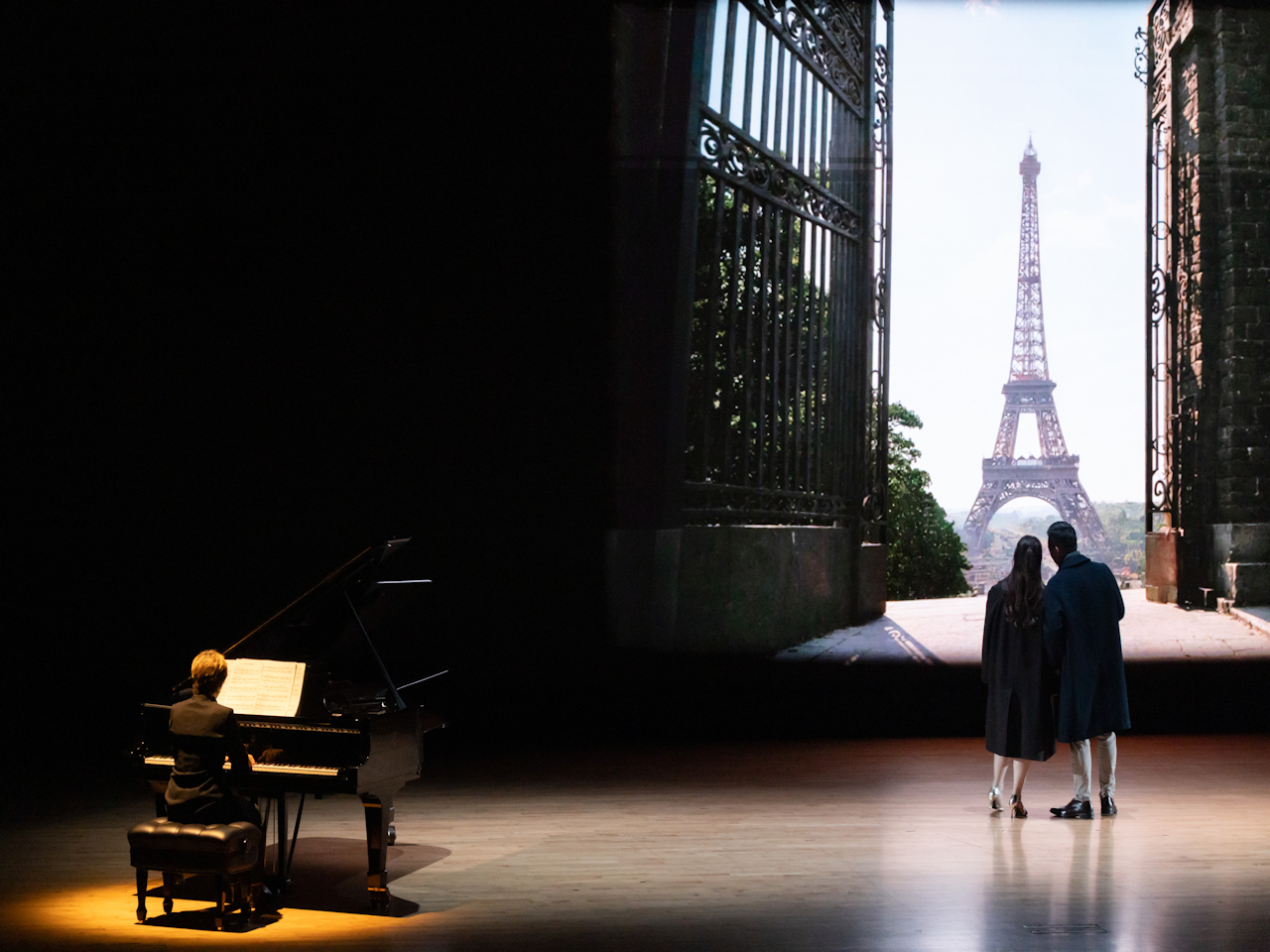
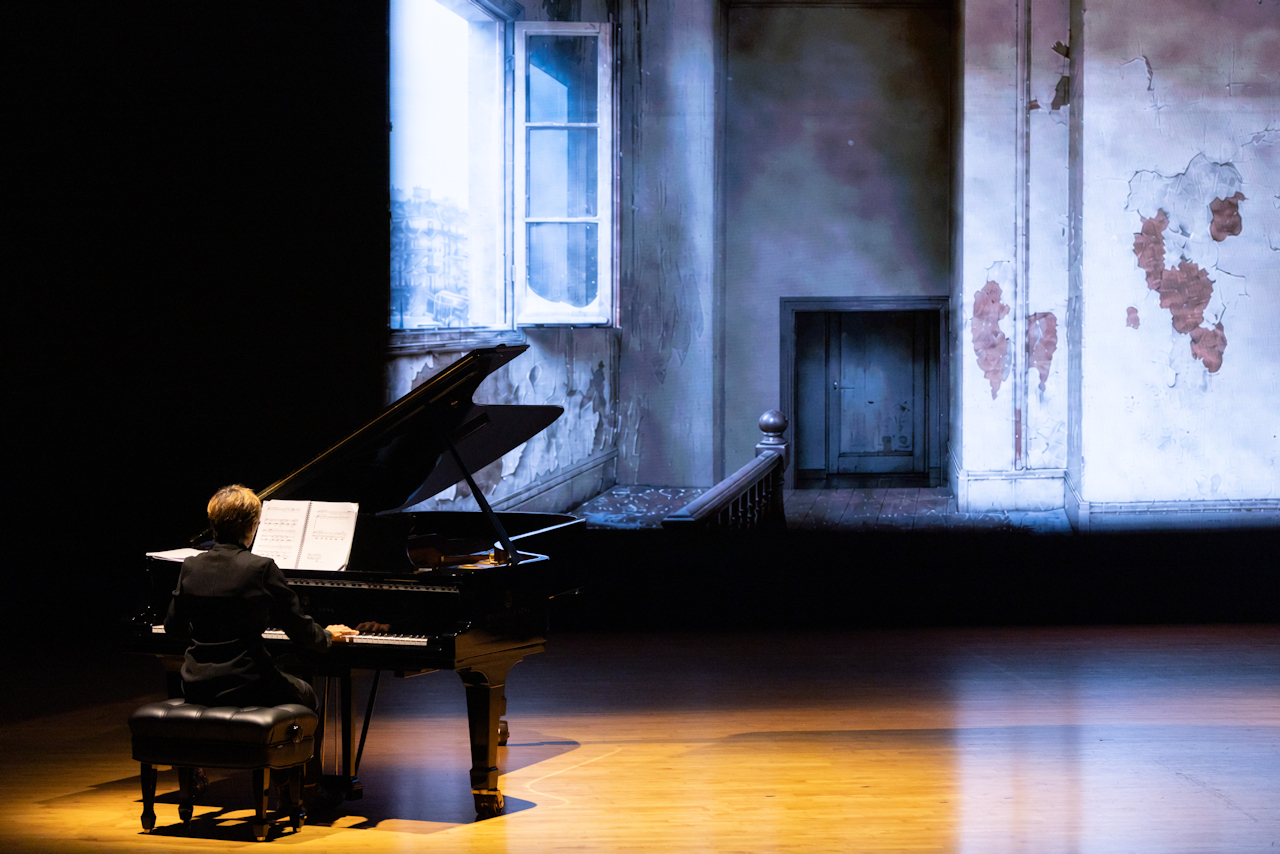
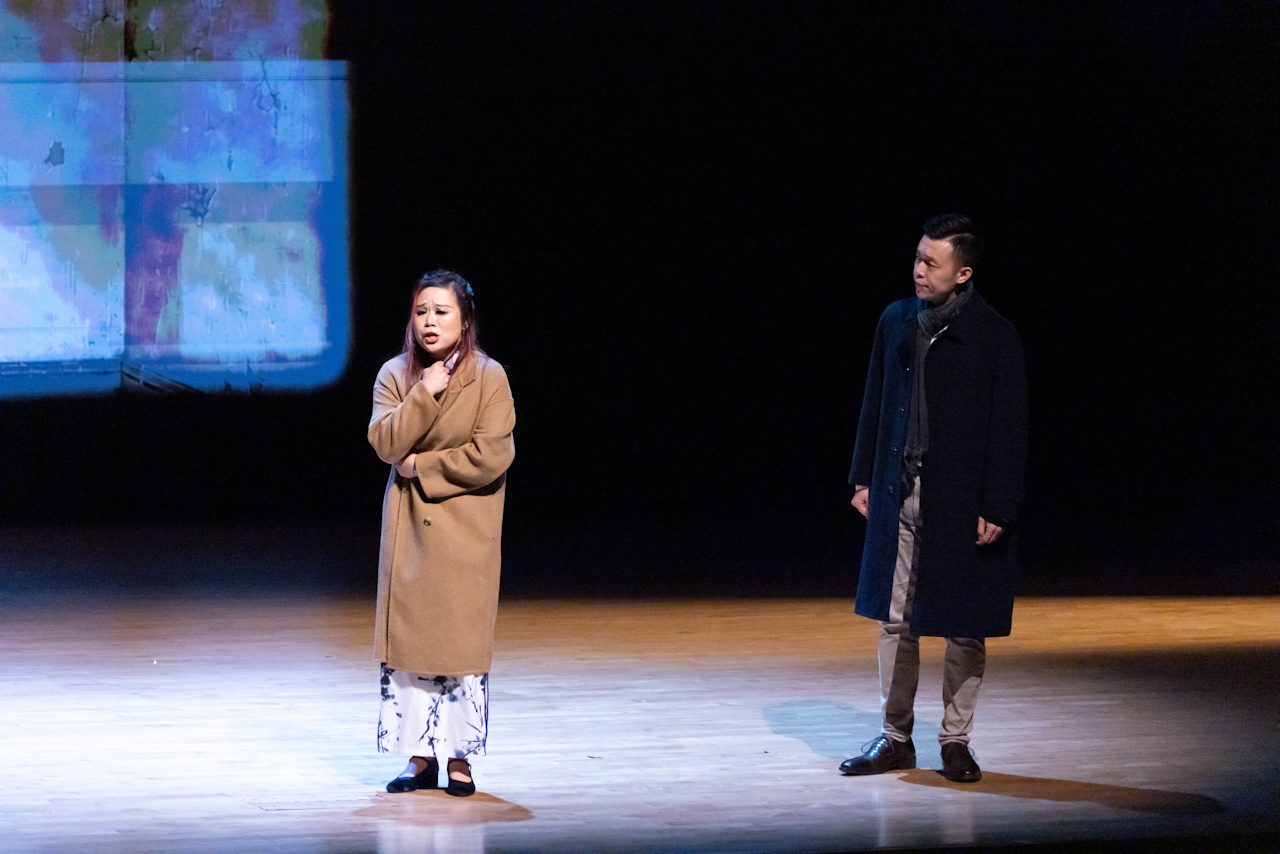
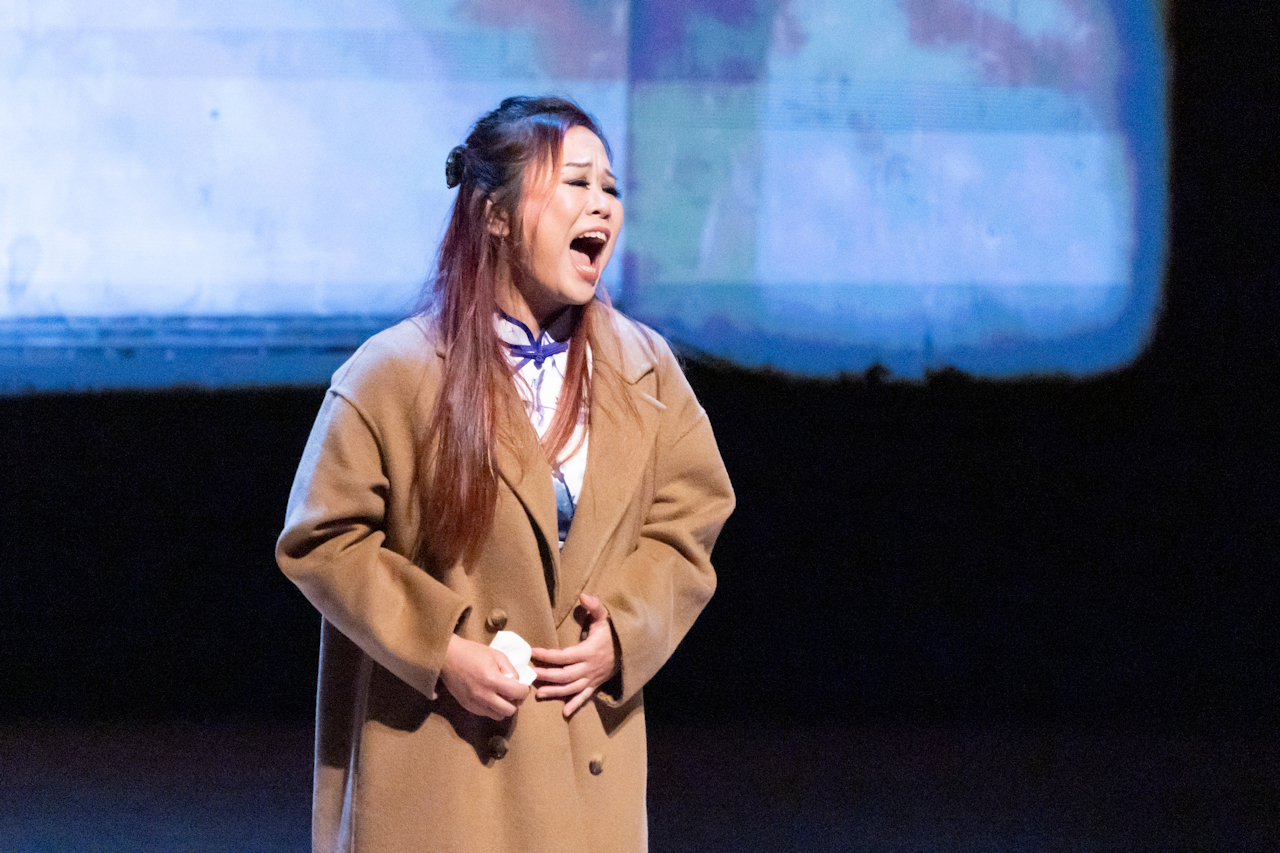
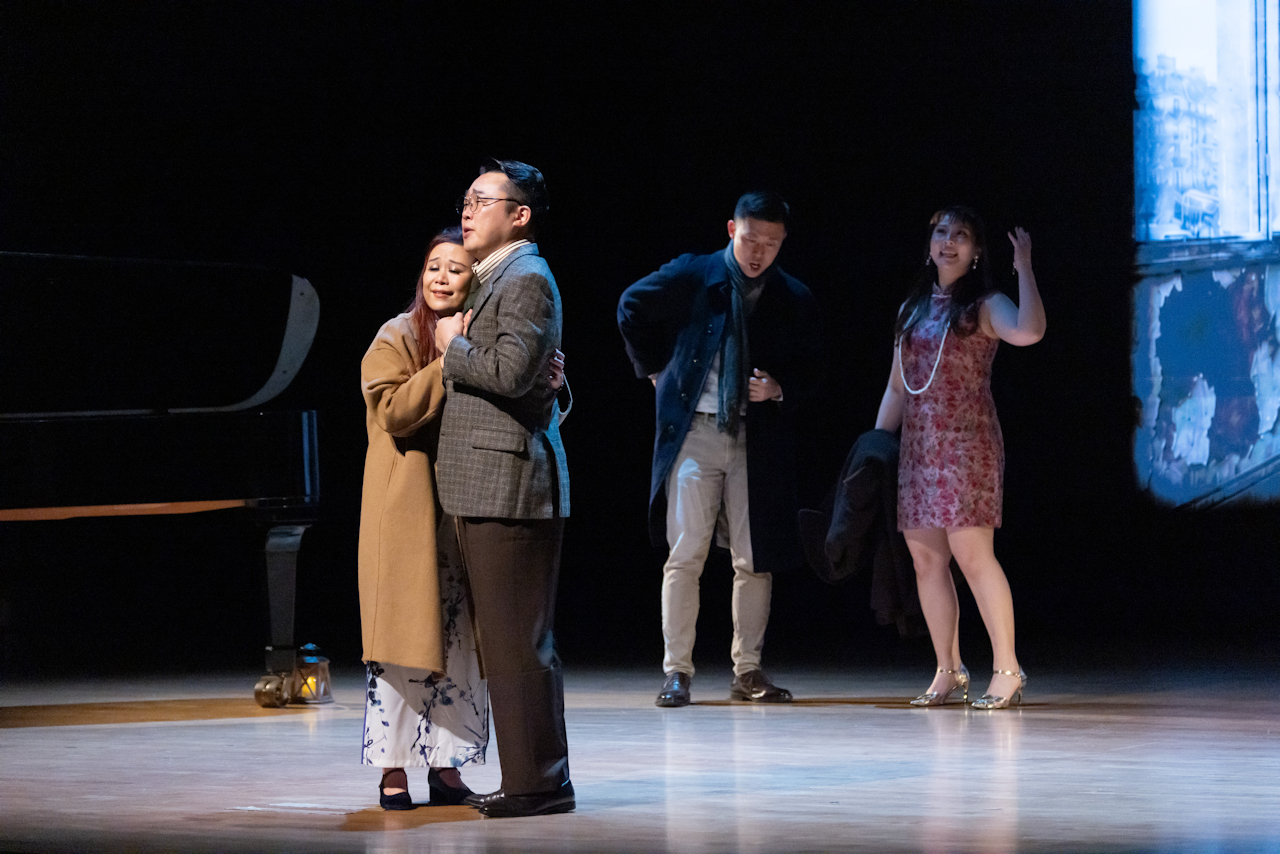
Scene 3 returns to the garret, somewhat worse for wear.
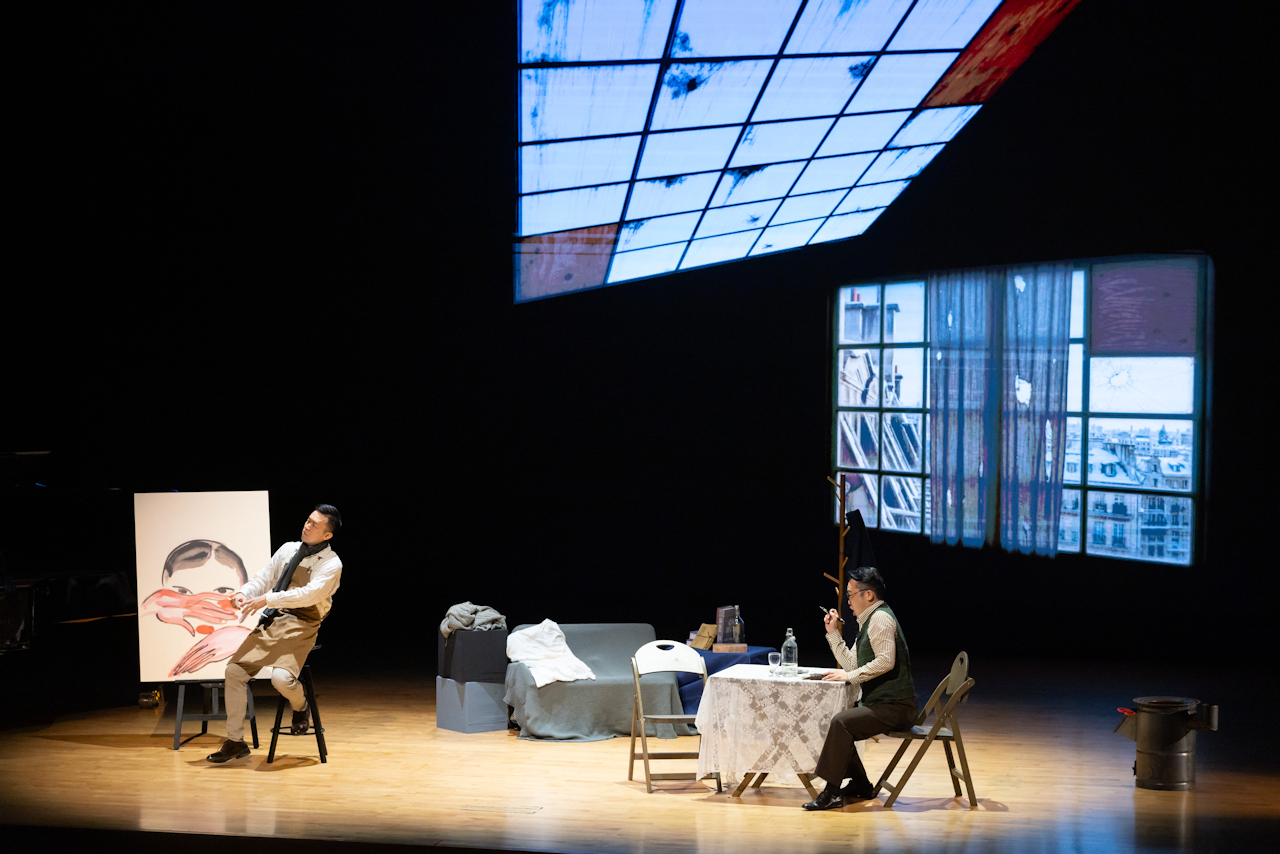
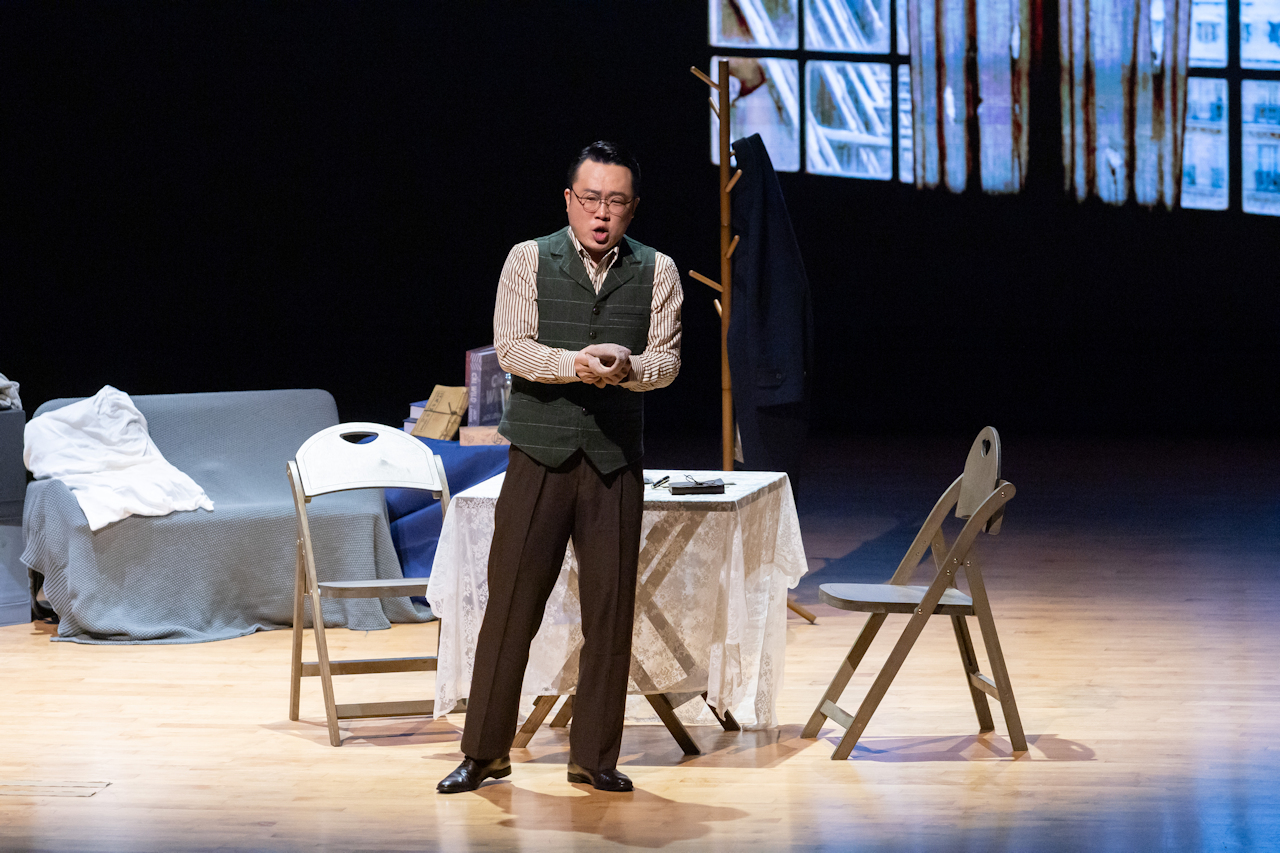
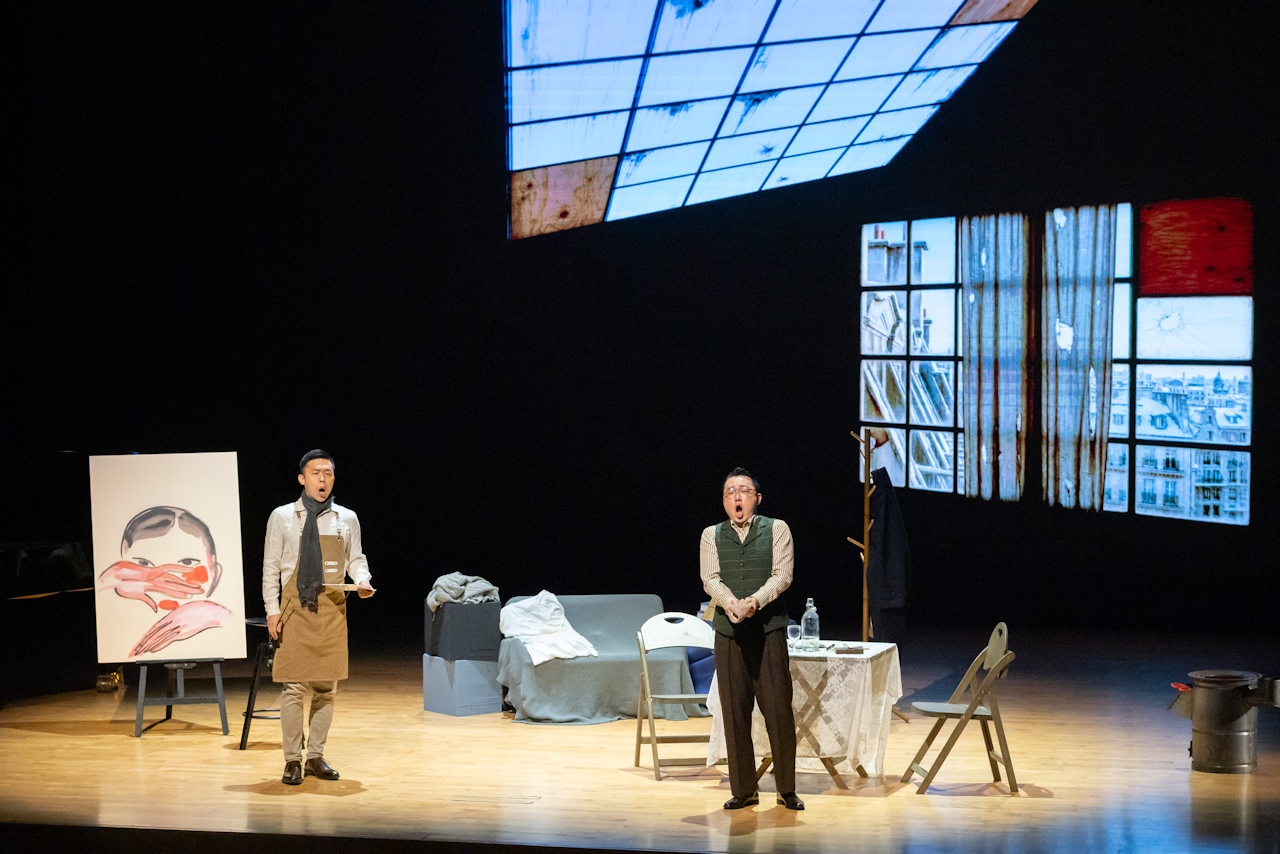
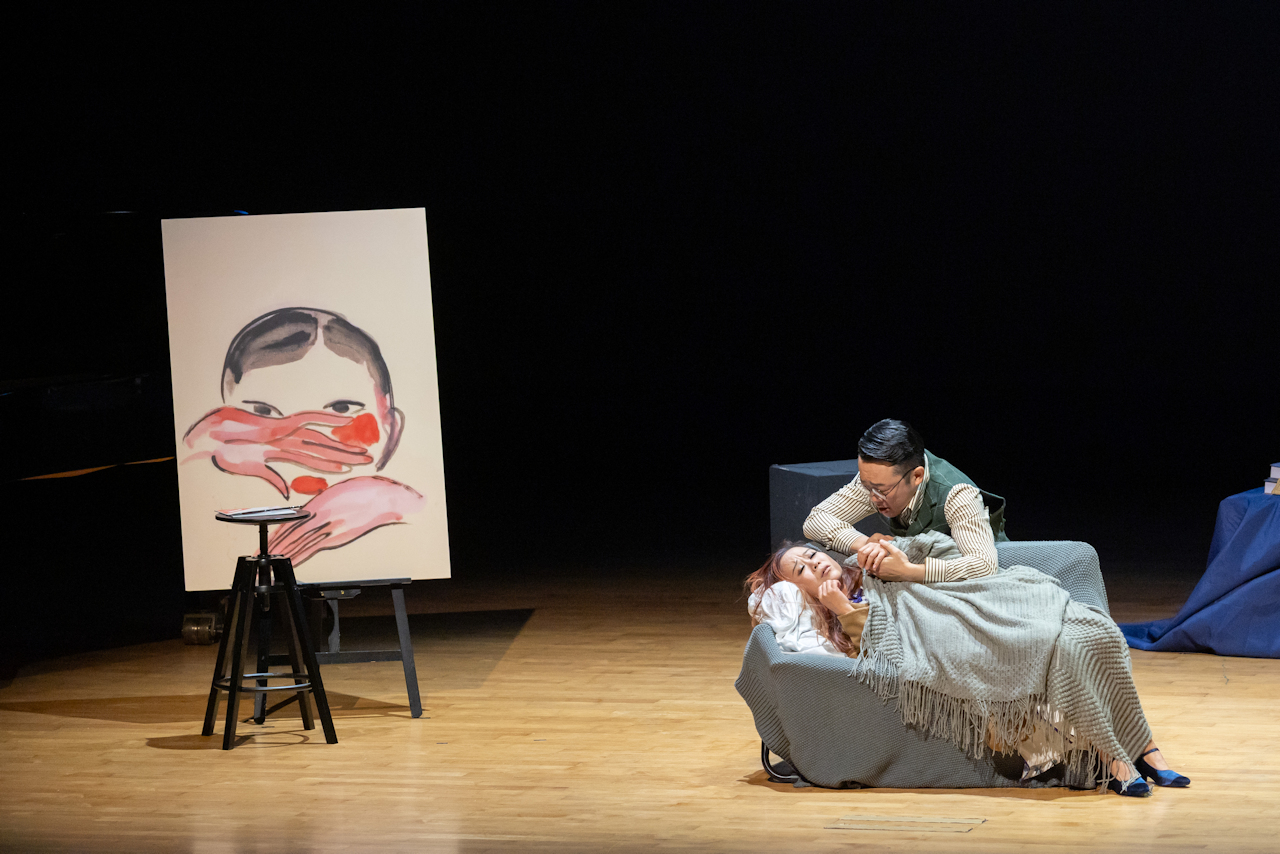
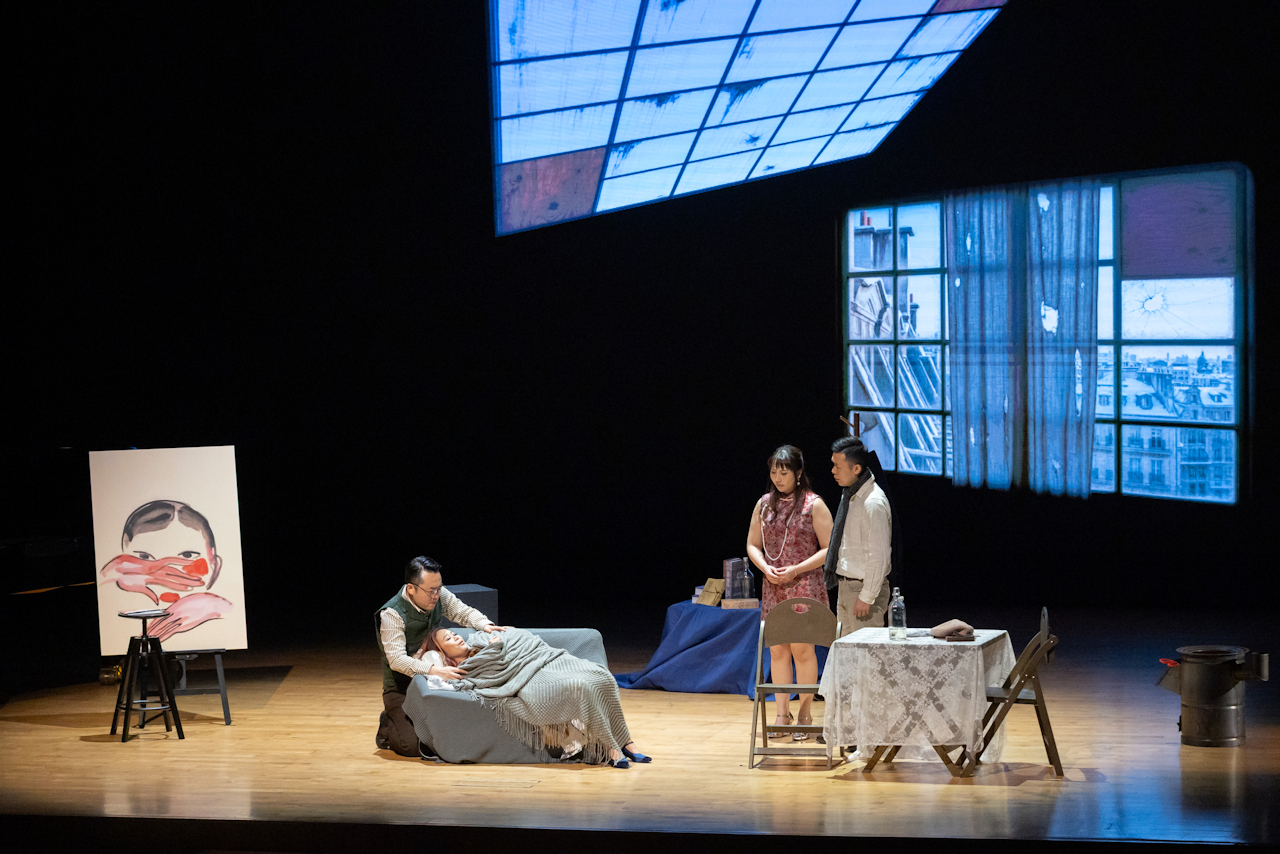
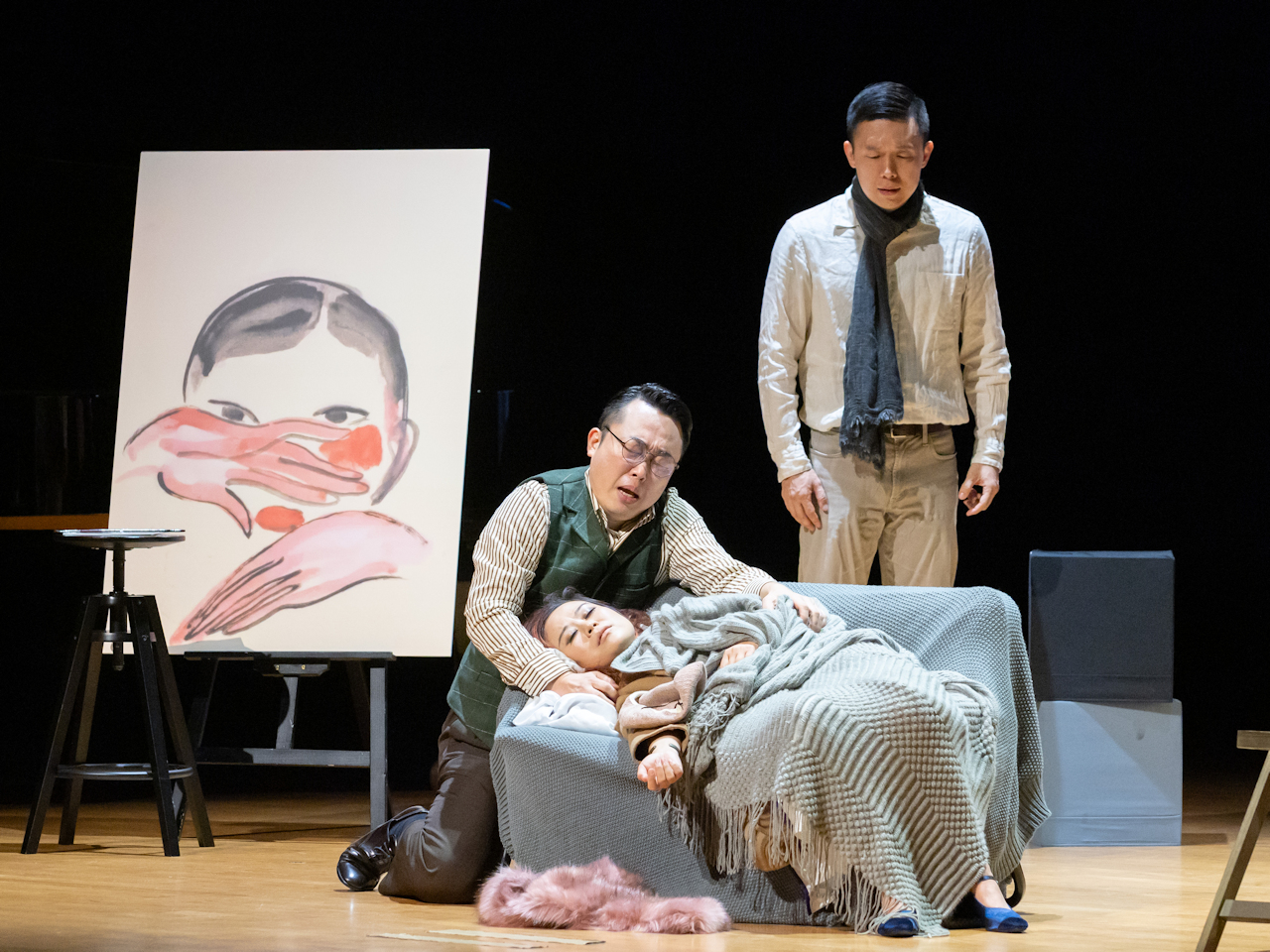
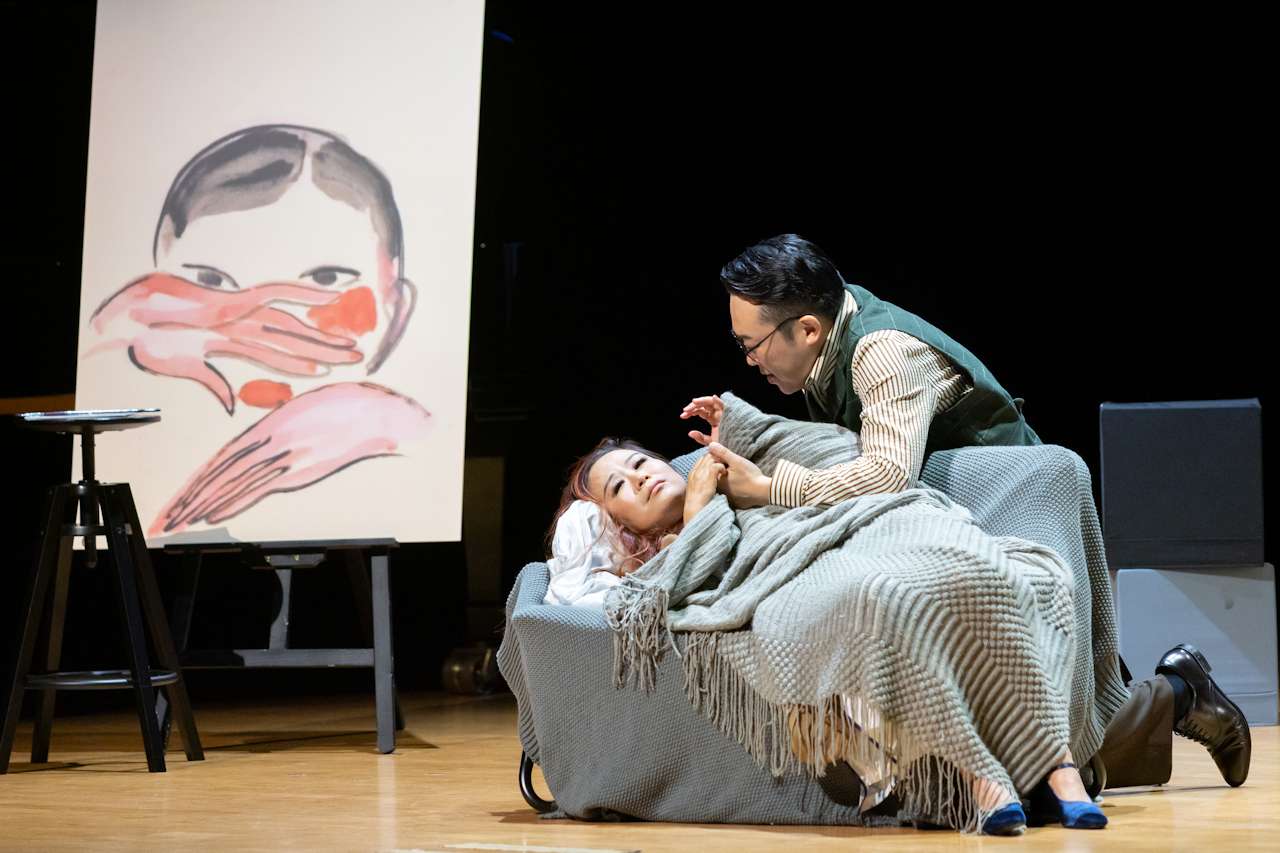
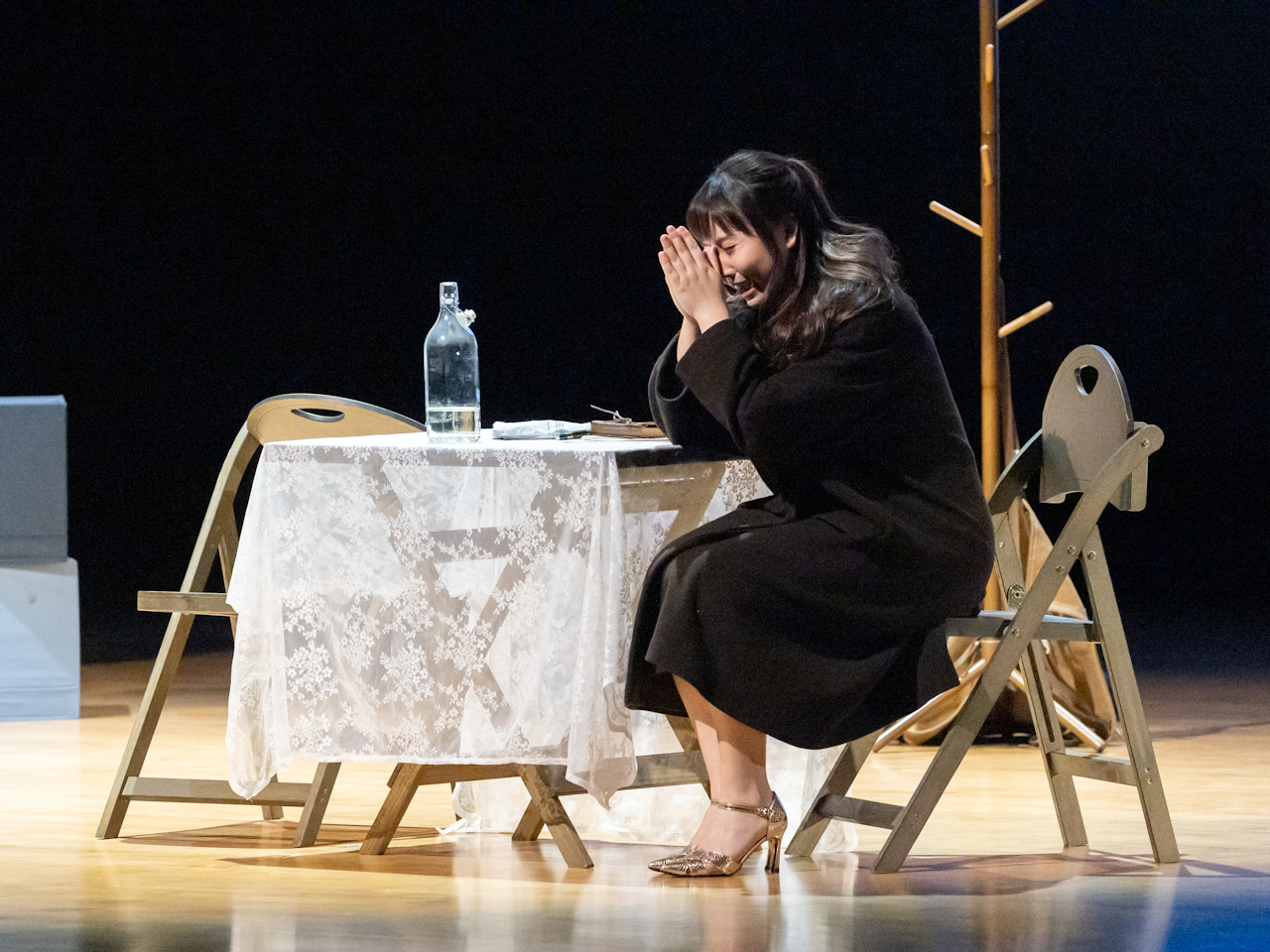
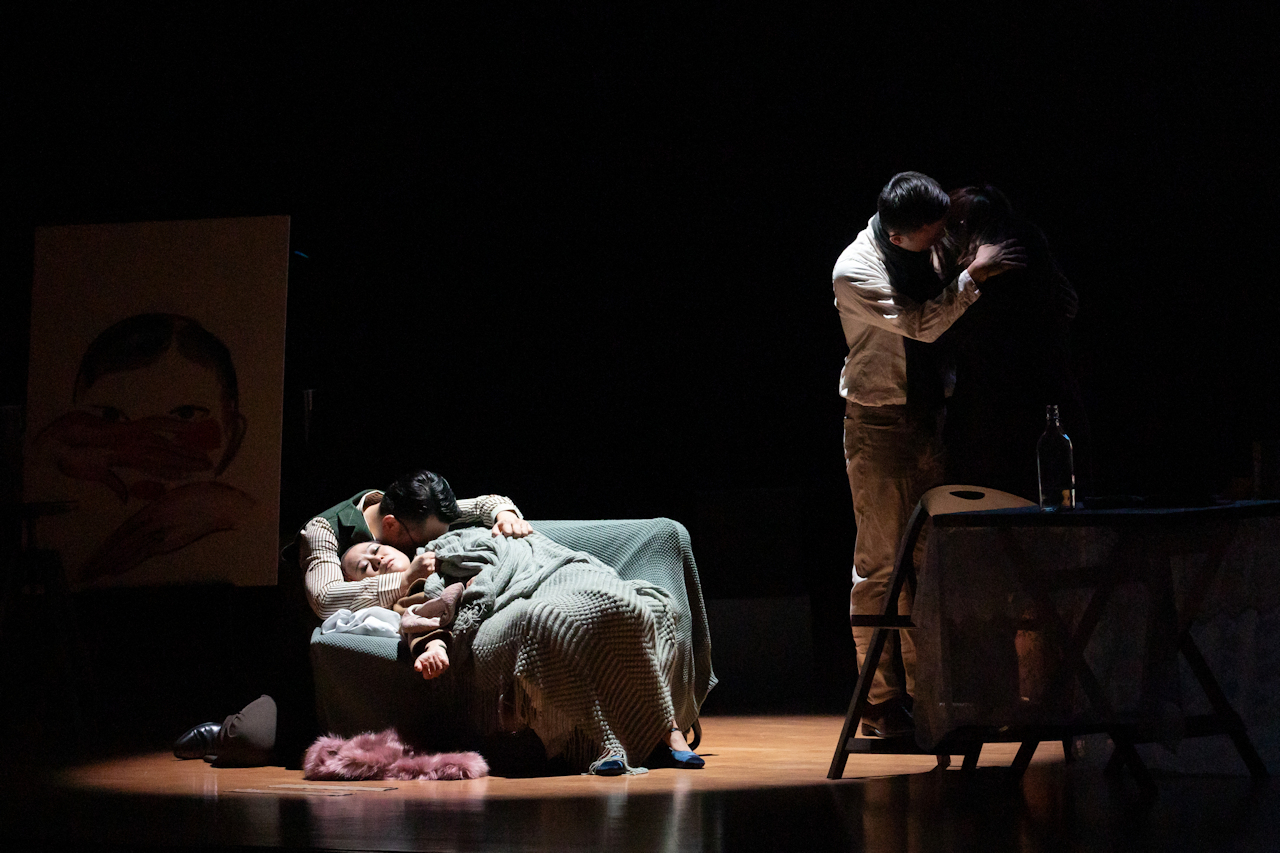
This production uses the venerable French edition by Paul Ferrier which debuted at the Opéra-Comique in 1898, just two years the opera’s first performance in Turin. It was a core staple of their repertoire from until 1971 and was given more than 1500 times. We believe this to be the first time this version has been performed in Asia.
Photos courtesy The Hong Kong Polytechnic University CPEO.